
Emergency Wheel: Wrong Placement Can Be Disastrous
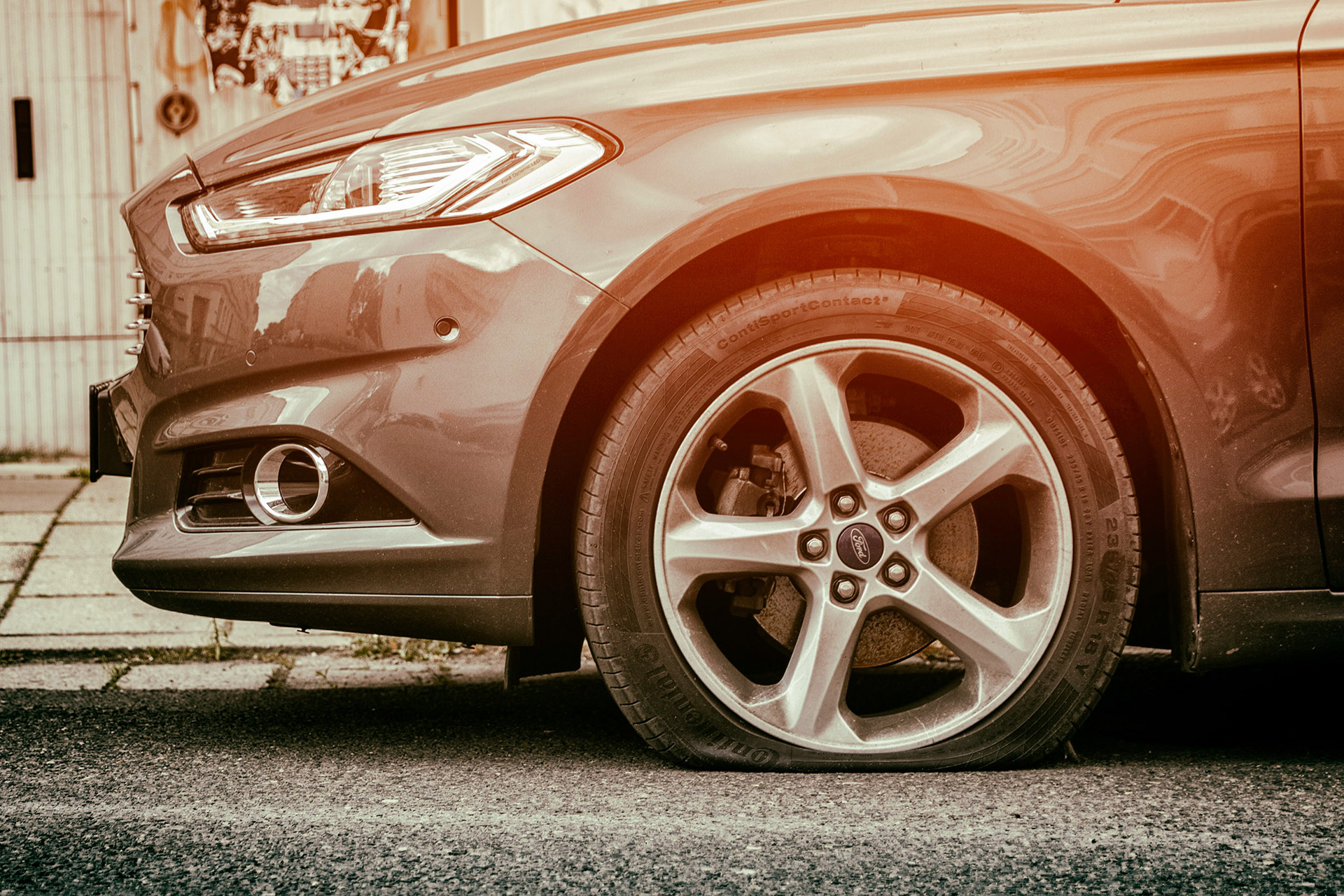
An emergency wheel can save your day—or damage your car if used incorrectly. Many drivers treat it like a normal spare wheel, but it’s not. Understanding proper emergency wheel placement means the difference between protecting your vehicle and steering system, and destroying it.
In this article, you’ll learn:
- The difference between a spare wheel and an emergency wheel
- How emergency wheel placement affects different drivetrains
- Safe driving limits and risks when using an emergency wheel
What is the difference between a spare wheel and an emergency wheel?
A spare wheel is a full-size fifth wheel that matches your car’s normal wheels. You can drive on it as normal, and it maintains balance and supports proper vehicle safety systems.
An emergency wheel, often called a donut wheel, is smaller and lighter. It is only meant for short distances at reduced speeds. The donut is not a long-term solution and can affect your tyre wear, steering system, and overall stability.
Why does emergency wheel placement matter?
Emergency wheel placement matters because your car is engineered to drive on four wheels of the same size for balance.
The smaller wheel rotates at a different speed. This can confuse your vehicle’s safety systems and destroy the steering system, differential, and drivetrain.
Incorrect placement can lead to:
- Uneven braking performance
- Reduced traction and pulling to one side
- Increased stress on the drivetrain
- Disabled safety systems
Modern cars are more sensitive, and these risks become more serious depending on whether your car is front-wheel drive, all-wheel drive, or four-wheel drive.
Where to fit the emergency wheel on a RWD car?
In rear-wheel drive vehicles, the engine’s power is sent to the rear wheels only, which then push or propel the vehicle forward. So, the rear wheels are doing all the hard work and need to be of the same size and quality. Generally, when you need to replace a wheel in an emergency and you only have a donut, place it in the front for safer steering. It is still important that you check your vehicle’s manual to be sure what the best recommendation is for your vehicle.
How does the donut affect Front-Wheel Drive vehicles?
Front-wheel drive vehicles rely on the front tyres for movement and steering. Placing an emergency wheel on the front disrupts this balance. It can cause pulling to one side and a terrible steering experience.
Always keep the emergency wheel at the rear in front-wheel drive cars. If a front wheel blows, move a good rear tyre to the front and place the donut in the back. It’s double work, but worth the effort.
What about All-Wheel Drive and Four-Wheel Drive vehicles?
All-wheel drive (AWD) and four-wheel drive (4WD) systems are even more sensitive. These systems depend on all tyres rotating at similar speeds. A smaller emergency wheel can confuse the system, cause drivetrain damage, and leave you with a very empty wallet.
Driving with an emergency wheel on these vehicles can:
- Confuse ABS and traction control
- Overwork the differential
- Reduce traction control and cause excessive pulling
- Destroy sensitive components
If you do not have a spare wheel that matches all others, limit your driving distance and replace the wheel as soon as possible. And never engage 4WD when you are driving on a donut, you will destroy the drivetrain.
What are the speed and distance limits?
Emergency wheels are not built for long trips. Most manufacturers recommend a maximum speed of 80 km/h. Exceeding this can overheat the tyre and cause a whole new emergency.
You should also limit how far you drive. Use the emergency wheel only to reach a repair centre. The longer you drive, the greater the risk to your vehicle’s safety and steering system.
FAQs About Emergency Wheels
1. Must the spare wheel be the exact same make as the other four wheels?
No. The wheels can be of a different make, as long as they are the same size and aspect ratio.
2. Can I drive on the highway with an emergency wheel?
Yes, but keep your speed below 80 km/h and drive cautiously. Remember that an emergency wheel is not designed for longer distances and should be replaced as quickly as possible
3. Can I fit an emergency wheel on my car if I am towing a trailer or caravan?
If you’re towing a caravan or trailer and get a puncture, then it’s usually fine to fit an emergency spare on the car. It is important that you drive directly to a fitment centre to have your wheel fixed and replaced.
Conclusion
An emergency wheel is a short-term solution, not a full replacement. Correct emergency wheel placement protects your car’s balance, steering system, and vehicle safety features. A spare wheel, on the other hand, can replace any wheel and is good for longer distances and faster speeds. Don’t get stuck without a donut or spare wheel – remember to have your tyre fixed as soon as possible!
Contact Us
Please don't hesitate to contact us with any questions or concerns you may have about your vehicle. Our team is ready to assist you in any way we can.
011 028 5266
Mondays to Fridays from 07:30 to 17:00.
082 778 6410
Contact Izak for any automotive repair emergencies. Click here to chat now!
autoway@kvrms.co.za
We endeavour to reply to all emails in 24 business hours.
Find us at
26 Short street, Tres Jolie
Honeydew, Roodepoort