
Driving In Wet Conditions
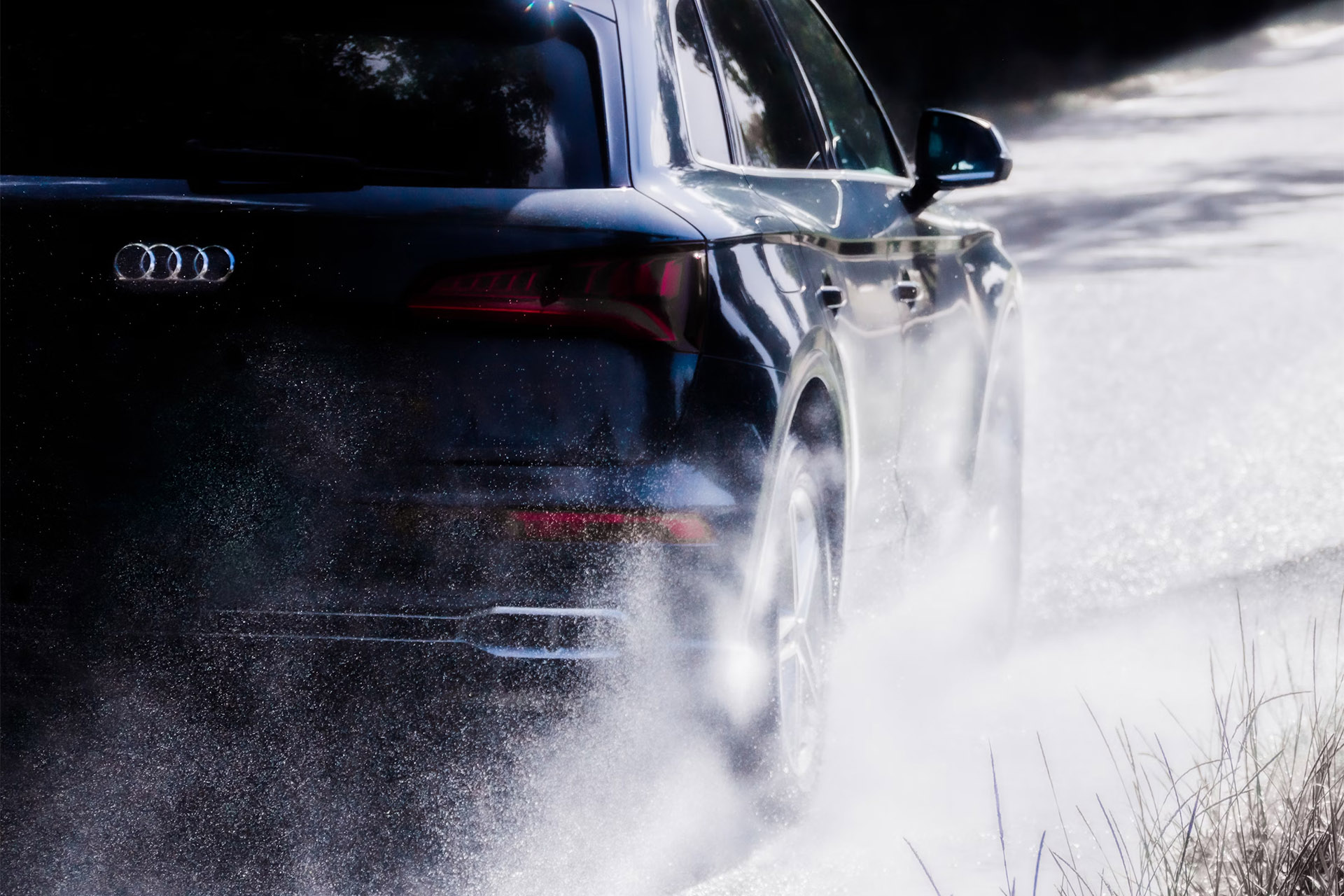
WTB! Wait, what? During the rainy season, three things should be at the top of mind for your safety and that of other road users: wipers, tyres, brakes. You can’t always predict when you’ll be driving in wet conditions, so it is safest to be prepared.
Wiper Blades
Decent wiper blades are inexpensive, easy to replace, and highly necessary for good visibility when driving in the rain. When new or still in good condition, these simple rubber blades run snug over your windscreen to wipe away the water. When they get older and brittle, they don’t do the job as well as they should. Imagine if your windscreen is dusty or has a few bug splats when it starts raining, your visibility will be impaired for a while, and degraded wiper blades won’t do you any favours. It’s too late then to think you should have replaced the blades already.
Tyres
The next thing – tyres. Tyre tread depth and pressure are always important, but adding moisture on the road pushes up the priority. Wet conditions change all the rules — from speed limits to safe following distances — and that is why your tyres should be in good condition. In South Africa, the legal minimum tyre tread depth is 1.6 mm, which isn’t much rubber! The main danger we face on a wet road is aquaplaning, which happens because of a combination of underinflated tyres and a low tread. The tyre’s tread acts as grooves through which the water must channel, so the more tread, the better, and if the tyre pressure isn’t right, the tyre shape distorts and closes those channels.
You don’t have to guess the tyre pressure or tread. The manufacturer’s recommended tyre pressure is conveniently indicated on a sticker inside your car’s door frame. And for tyre tread, look out for small, raised blocks of rubber inside the main grooves that indicate the minimum surface level.
Brakes
Proper brakes are not negotiable. As with tyres, brakes must always be in top shape so they can perform as expected, regardless of the weather conditions. Luckily, brakes usually give fair warning when they are on their way out, so don’t ignore these symptoms:
- The vehicle pulls to one side when you hit the brakes.
- There’s a grinding or rumbling noise coming from the brakes that indicates a serious issue.
- A high-pitched squealing noise occurs when the brakes are applied.
- The brakes don’t respond as they should; they are spongy or soft.
Driving on a wet road already requires you to increase your following distance so you have more time to react when needed. So, if your brakes aren’t working as they should, you are a hazard to yourself and other road users.
We need the rain. We need to move around. And we all need to be safe. Please perform these three WTB checks regularly and ensure clear vision, a firm grip on the road, and brakes that work as they should, regardless of what the weather app predicts.
Contact Us
Please don't hesitate to contact us with any questions or concerns you may have about your vehicle. Our team is ready to assist you in any way we can.
011 028 5266
Mondays to Fridays from 07:30 to 17:00.
082 778 6410
Contact Izak for any automotive repair emergencies. Click here to chat now!
autoway@kvrms.co.za
We endeavour to reply to all emails in 24 business hours.
Find us at
26 Short street, Tres Jolie
Honeydew, Roodepoort